La Aldea: The Story of a Three-Generation Coffee Farm in Huila
Farm Notes
Country | Colombia
Region | Huila
Location | Vereda Purutal, San Agustín
Altitude | 1,900 masl
Varieties | Pink Bourbon, Caturra and others
Producer | Wilson, third-generation coffee grower
Recognition | National and international competition winner, Cup of Excellence finalist
The first thing to wake at La Aldea is the light.
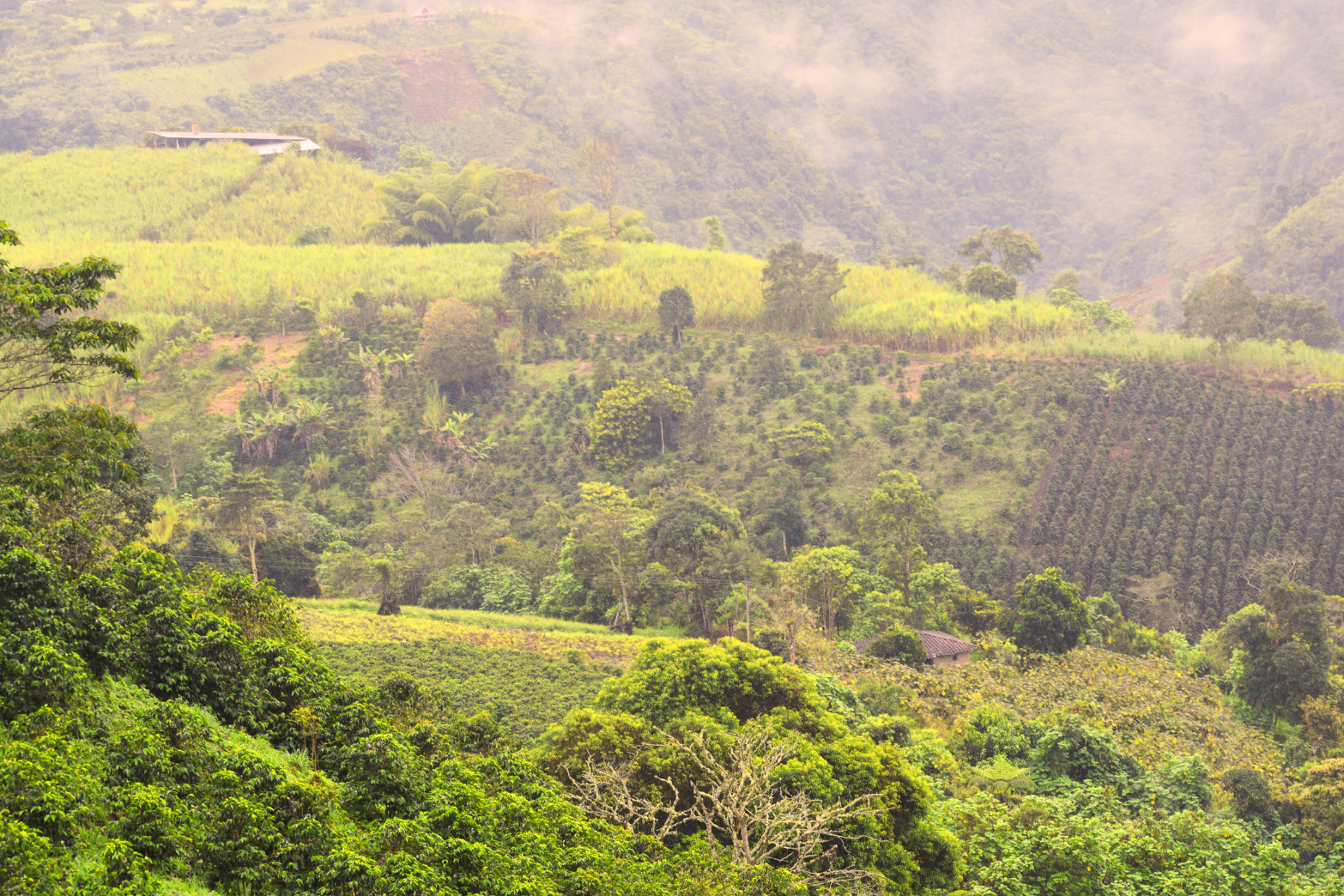
It comes over the mountains slowly, through clouds that hang low most mornings. At 1,900 metres the air has a bite to it, and for a while the only sound is the farm itself.
Then someone walks out into the rows without shoes.
He does this on cool mornings, when the ground is soft and cold. His mother has asked him for years to put on sandals, because his feet get wet. He knows. That’s the point. Cool feet, wet grass, the earth right under him. It’s how he fills up before the day begins.
“I like my feet cool. It’s what gives me energy.”
Wilson, La Aldea
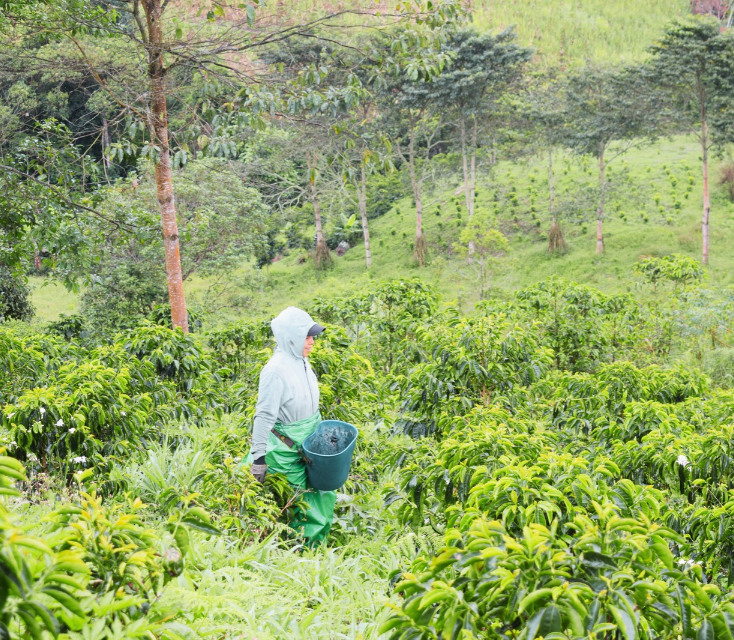
He checks on the pickers and the planters, then climbs up to the dry mill to see how the coffee is drying. By the time his phone starts ringing, he’s already had his moment with the land.
Before the Name
His grandparents planted coffee on this hillside in the vereda of Purutal. His parents kept it going. He was born here.
For three generations, the family gave the farm everything. Early mornings. Harvest after harvest. Cherries rushed to dry before the rain. What nobody gave it was a name. There was never time, and it never seemed to matter. It was home, and everyone knew where home was.
In 2017, the boy born on that hillside decided the farm deserved one.
His name is Wilson. He runs La Aldea today, and he’s the reason its coffee reaches us.
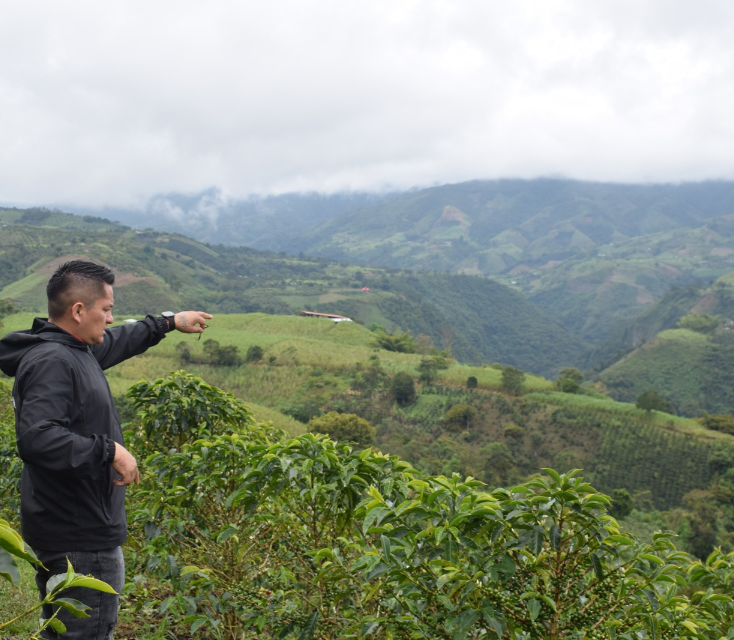
Wilson had big plans for the family land. He wanted to turn it into a real company and grow coffee good enough to stand with the best specialty lots. A plan like that needed a name, and he wanted one that remembered.
Long before anyone planted coffee here, his ancestors lived on this land in a small village of huts. Nothing of the huts is left. The story is.
So the farm became La Aldea - The village. Every bag that leaves this hillside now carries a little of San Agustín with it, its history and its culture, all the way to someone’s table.
What the Mountain Gives
Some land makes you fight for every cherry. This land is kinder than most.
The altitude keeps the climate balanced, and the hillside is full of small microclimates where every variety settles in and produces. When El Niño hit the region in recent years, La Aldea sat above the worst of it. The cherries actually ripened better.
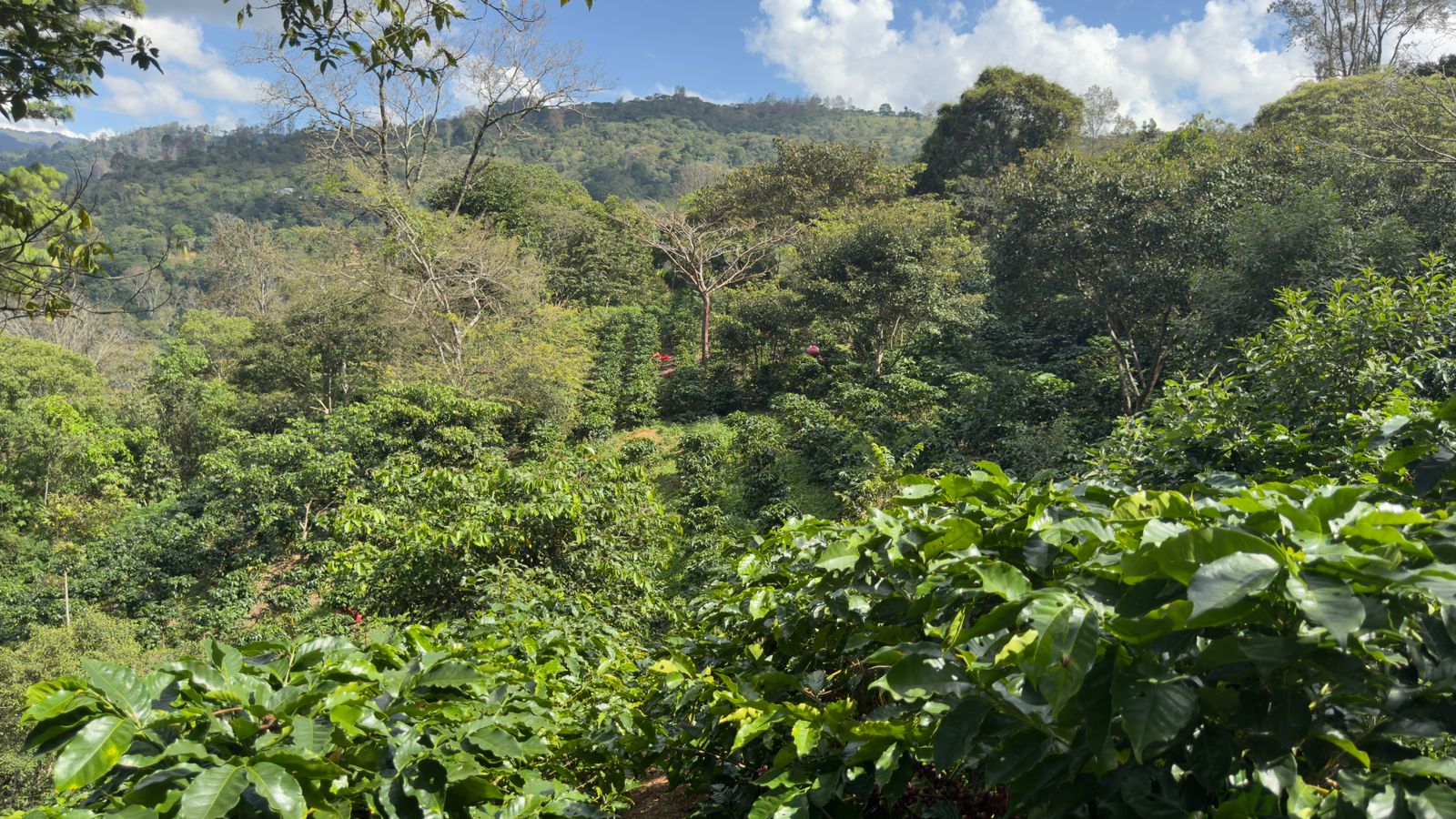
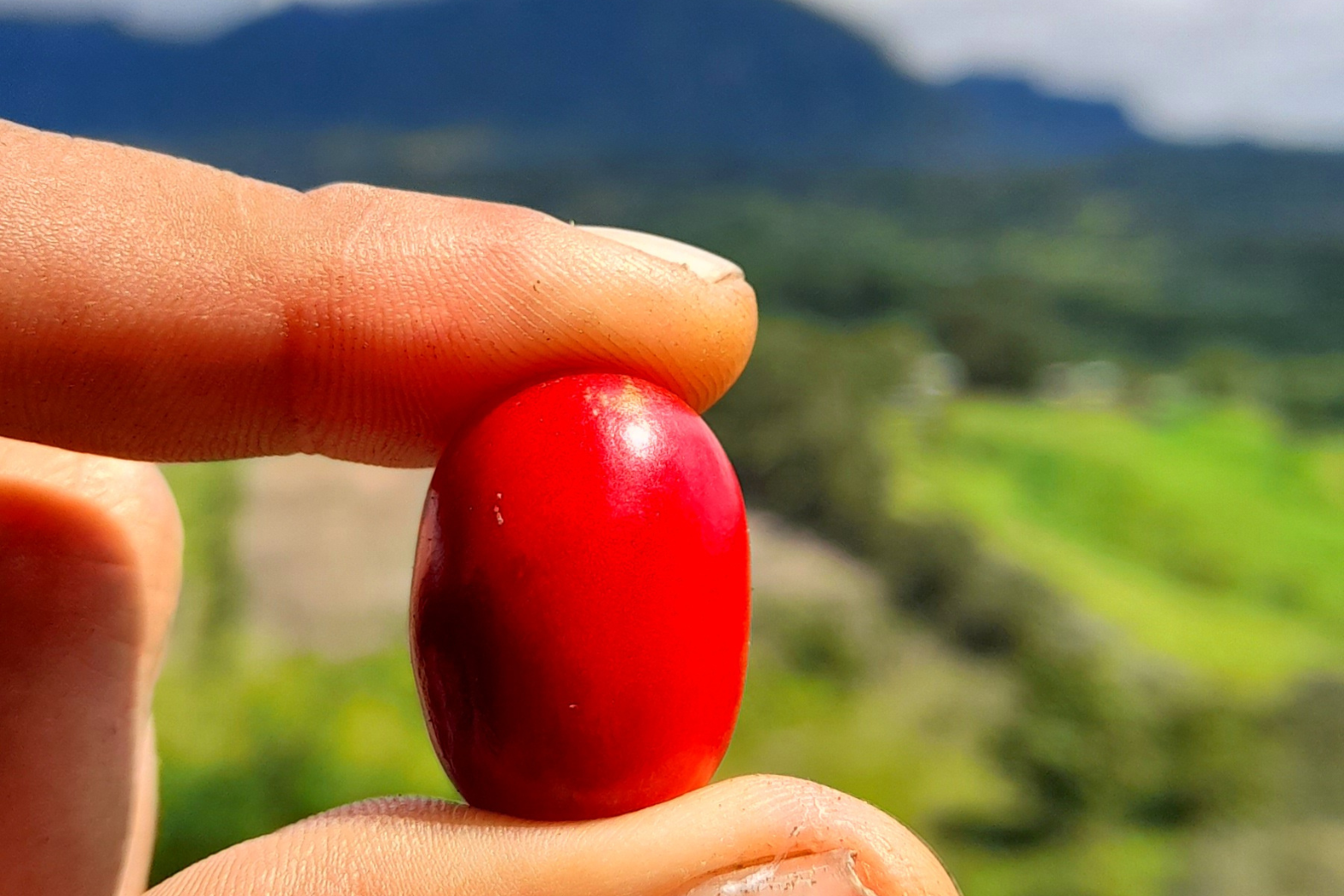
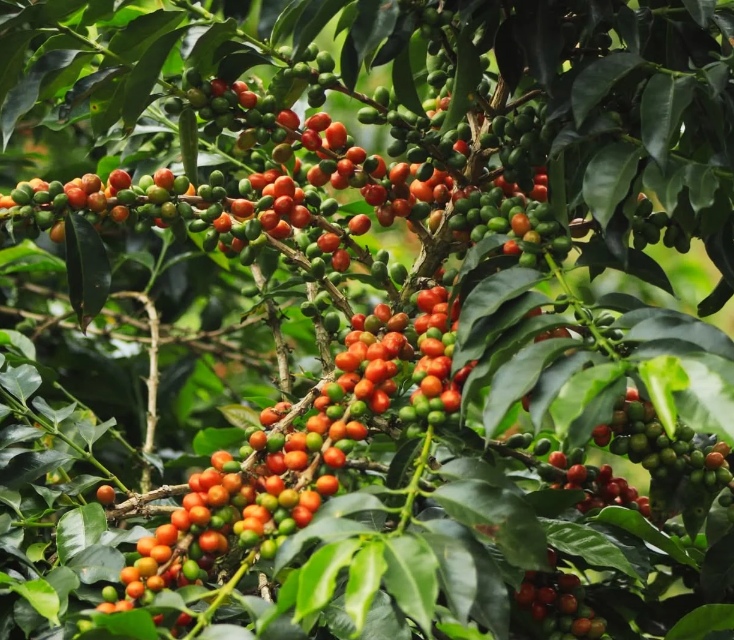
At harvest, the whole farm changes. It turns into a rainbow, one for every cup, as Wilson likes to say. Green slopes, flowers everywhere, cherries in beautiful colours. The air turns sweet and fresh, like a breeze coming off the mountain. Those colours are the farm’s early promise of a good cup.
Then came La Niña.
The rain arrived and kept coming. The farm became hard to reach, picking slowed, and getting coffee properly dry turned into a fight every single day. Nobody up here can read the weather in advance. All you can do is keep working. The team got the lots out anyway.
Next time, the farm will be ready. Mechanical dryers are planned for 2027. Labour is expensive and prices drop, but Wilson believes in paying his people well. That’s how you keep good people on the land.
Hard Years, Good Coffee
The rain wasn’t the only test. Just as La Aldea was finding its feet, the pandemic closed everything for almost two years. Buyers couldn’t come to the farm, so Wilson brought the farm to them through social media platforms. Then prices jumped, and clients said the coffee was too expensive. Then prices fell, and buyers held back.
There were grey days. There still are. But on a farm, you keep going.
And somewhere in all of it, something unexpected happened.
“Our best coffees came out of our strongest crises.”
Wilson, La Aldea
Those coffees started winning. In 2023, at the Top Roast Colombia, a national competition, La Aldea took both first place with a Gesha and second place with a Pink Bourbon in the exotic coffees category.
Then its Pink Bourbon went abroad. It was named the fourth-best coffee of the year in Europe and the US, and in September 2026 it took second place at a roasting competition in Bulgaria Coffee Roasters Championship.
Walking the farm today and seeing how far it has come, Wilson feels two things at once. Joy, and a little nostalgia.
Still a Village
La Aldea was never built by one person. It belongs to a family, to friends, and to the community that works these slopes. The village, still.
And it’s meant to stay that way. One day the farm will pass to the next generation, and Wilson wants to hand them something already built, so they can see what it’s worth and what it can still become. Not long ago, all of this felt out of reach. Now it’s standing right here.
One Small Pause
Coffee is something almost everyone has known. Wilson calls it a neutral point, somewhere we all arrive.
Before a cup of La Aldea reaches you, it passes through a lot of hands. The pickers on the slopes. The team at the dry mill. A family that looked after this hillside for longer than it has had a name.
All they ask in return is a moment.
“Take the cup calmly, without rushing. In that moment you think and you don’t think at the same time. It’s a pause where you can say, "this is my moment.”
Wilson, La Aldea
Next time you make a cup, try it. Think about the hillside, the low clouds, the bare feet in the wet grass at first light.
Then, for a moment, don’t think at all.
Every village has its characters. At La Aldea, they grow in rows.
Pink Bourbon, the star. The one everyone comes to see. Its cherries ripen to a soft pinkish-orange, and it's loved for balancing bright acidity with real sweetness.
Geisha, the rare guest. Few in number, big in reputation. Famous worldwide for its delicate, floral character.
Tabi, the local talent. Born and bred in Colombia, from Typica, Bourbon and Timor Hybrid.
Typica, the elder. One of the oldest coffee varieties in the world, and the root of many others.
Caturra and Castillo, the good neighbours. Steady, hardworking and dependable. Castillo was bred in Colombia to stand up to leaf rust.
All of them grow at around 1,600 to 1,900 metres. Up here, cool mornings and high altitude slow the cherries down, giving them more time to build sugar and acidity before harvest.
Picking day comes only when the cherries are fully ripe. Every lot from La Aldea is then anaerobic washed. The cherries ferment whole for 48 hours, then are pulped and sealed in tanks, submerged in liquid from the same variety as it circulates in a closed loop. Some lots are fermented this way alone. Others go a step further and are inoculated with yeast and leachate extracted from the same variety.
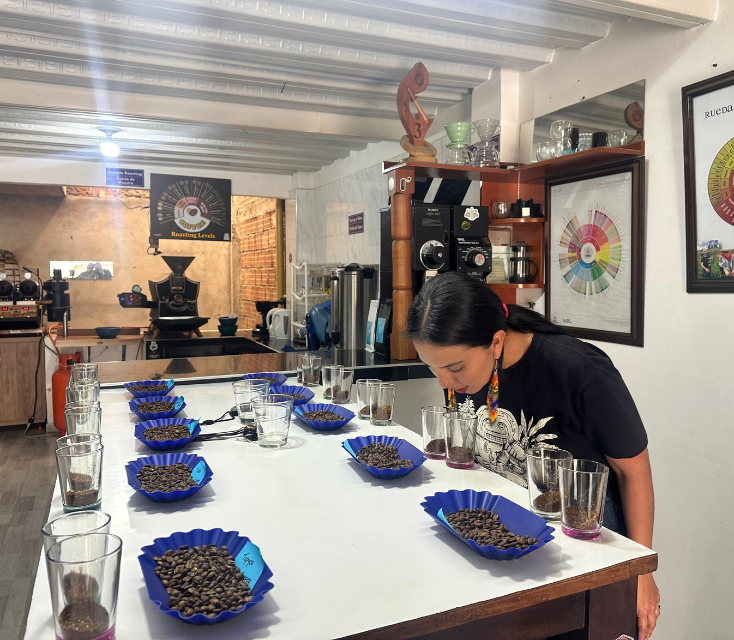
Nobody rushes the drying, either. The coffee dries slowly over 8 to 14 days, with its moisture checked every day at the dry mill. Then, before any lot leaves the hillside, it's assessed in Wilson's own lab on the farm, where neighbouring producers bring their coffee too.
What it all adds up to is a single-farm, fully traceable coffee, processed with care, with a competition record that keeps growing.